The Power of Resistant Starch: Gut Health, Blood Sugar, and Sustainable Weight Loss
Description:
“Resistant starch” may sound like a complex scientific term, but it’s quickly becoming one of the most talked-about topics in the health and nutrition world. Originally introduced in academic literature in the late 1980s, resistant starch is now gaining popularity among people seeking a healthier, more sustainable approach to weight loss. Unlike regular starches, resistant starch provides multiple health benefits—from improving gut health to managing blood sugar levels. In this post, we’ll break down how resistant starch works and how it can support your weight loss goals.
1. Supporting Gut Health with Resistant Starch
Resistant starch is a unique type of carbohydrate that resists digestion in the small intestine and instead travels to the large intestine, where it becomes food for beneficial gut bacteria. This fermentation process supports the growth of probiotics and enhances the balance of the gut microbiome.
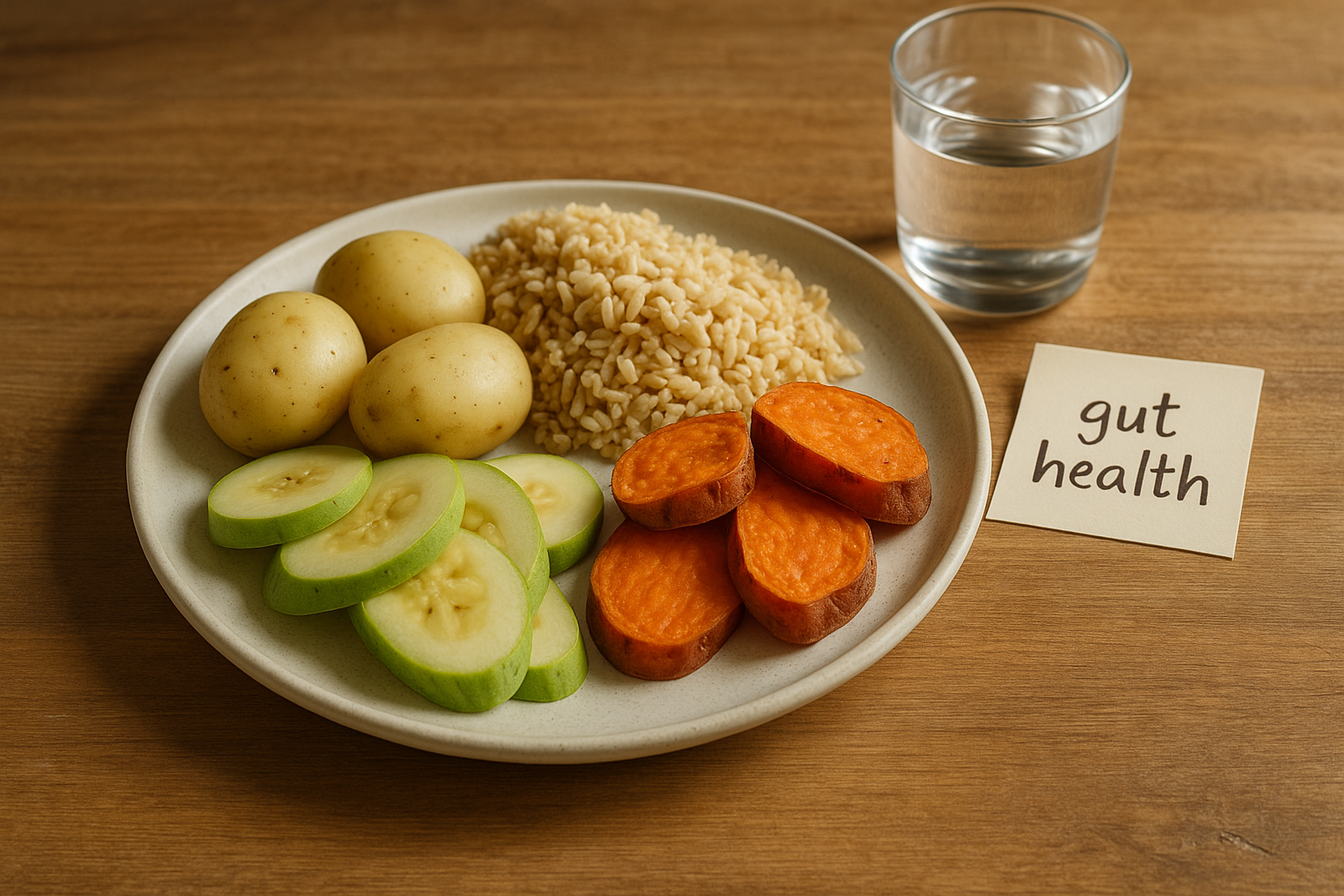
Modern lifestyles often lead to digestive issues like bloating, constipation, and irregular bowel movements. Resistant starch can help alleviate these symptoms by promoting healthy bowel function. Foods rich in resistant starch—such as green bananas, cooked and cooled potatoes, sweet potatoes, and brown rice—are also high in fiber, which further supports digestion.
Interestingly, resistant starch content increases when starchy foods are cooled after cooking. For example, cold potatoes have more resistant starch than freshly boiled ones. This characteristic can be used strategically when preparing meals for better gut health.
Since the gut accounts for over 70% of the body’s immune system, improving intestinal health through resistant starch can also support immune function and overall physical balance—not just digestion.
2. Lowering the Glycemic Index with Smart Diet Choices
The Glycemic Index (GI) is a measure of how quickly a food raises blood sugar levels. For individuals managing diabetes or trying to lose weight, choosing low-GI foods is essential.
Resistant starch is known to lower the GI of meals. For example, brown rice has a lower GI than white rice, partly due to its higher resistant starch content. Likewise, chilled potatoes have a more gradual effect on blood sugar than hot ones.
Eating meals that contain resistant starch can moderate post-meal blood glucose spikes, leading to better insulin sensitivity and reduced fat storage. This also means fewer cravings, since blood sugar stays stable and satiety lasts longer.
Rapid increases in blood sugar levels trigger insulin release, which promotes fat storage. But by incorporating resistant starch into your diet, you reduce the risk of these spikes, naturally curbing fat accumulation. If you are sensitive to blood sugar changes, it's wise to prioritize resistant starch-rich foods in your meal planning.
3. How Resistant Starch Supports Weight Loss
When people think of weight loss, they often imagine eating less or skipping meals. However, extreme calorie restriction is unsustainable and can lead to rebound weight gain (yo-yo effect) and health issues.
Resistant starch provides a healthier alternative. It digests slowly, helping you feel full for longer and reducing total calorie intake naturally. Because of its slow absorption, it prevents sharp rises in blood sugar, which supports fat loss by minimizing insulin spikes.
Studies have even shown that meals containing resistant starch can help reduce body fat without additional exercise. While resistant starch isn’t a magic bullet, incorporating it as part of a balanced diet can significantly support long-term health goals.
In short, resistant starch is not just a trendy supplement—it’s a natural component of food that improves gut health, blood sugar control, and weight management. By making small changes in your food choices—like eating cold rice or green bananas—you can make a big difference in your health and well-being.
Conclusion:
Resistant starch is a powerful nutritional tool that goes beyond weight loss. By improving gut health, regulating blood sugar, and enhancing satiety, it offers a holistic and sustainable approach to wellness. Rather than focusing on restriction, embrace smart eating by including resistant starch in your daily meals. A small shift in how you cook and eat could lead to big improvements in your health—starting today.
References
- Englyst, H. N., Kingman, S. M., & Cummings, J. H. (1992). Classification and measurement of nutritionally important starch fractions. European Journal of Clinical Nutrition, 46(S2), S33–S50.
- Nugent, A. P. (2005). Health properties of resistant starch. Nutrition Bulletin, 30(1), 27–54.
- Topping, D. L., & Clifton, P. M. (2001). Short-chain fatty acids and human colonic function: roles of resistant starch and nonstarch polysaccharides. Physiological Reviews, 81(3), 1031–1064.
- Sajilata, M. G., Singhal, R. S., & Kulkarni, P. R. (2006). Resistant starch–A review. Comprehensive Reviews in Food Science and Food Safety, 5(1), 1–17.
- Fuentes-Zaragoza, E., Riquelme-Navarrete, M. J., Sánchez-Zapata, E., & Pérez-Álvarez, J. A. (2010). Resistant starch as functional ingredient: A review. Food Research International, 43(4), 931–942.
- Birt, D. F., et al. (2013). Resistant starch: Promise for improving human health. Advances in Nutrition, 4(6), 587–601.